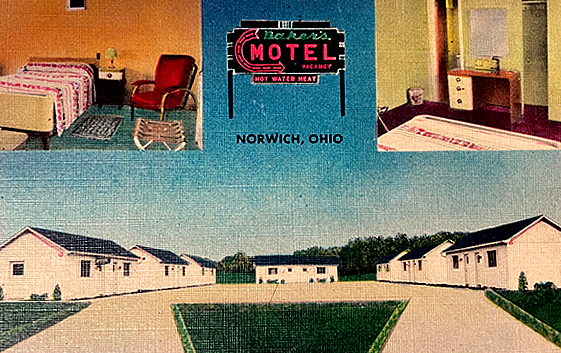
 With the building of the National Road came opportunity and progress. There existed a visionary dream—a dream to connect the vast expanse of a growing nation, bridge the gaps between cities and states, and facilitate the exchange of ideas, goods, and culture. This dream came to life in the form of a remarkable endeavor known as the National Road.
In the early 19th century, the United States was rapidly expanding westward. The need for a reliable and efficient transportation route became apparent to those with an eye for progress. Inspired by the ancient Roman roads, which had connected the far corners of their empire, the visionaries of America set out to create a route that would befit the grandeur of their nation.
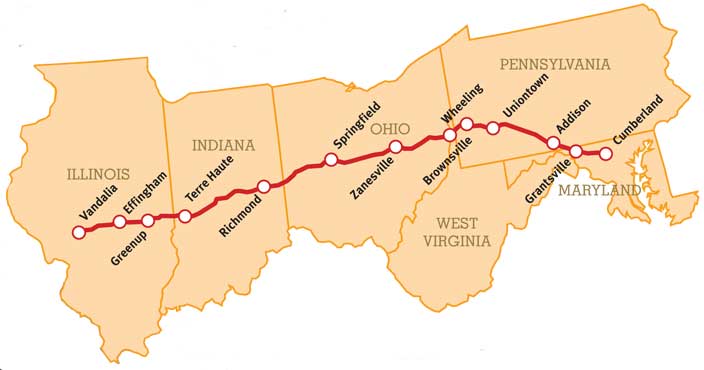
Construction of the National Road commenced in 1811, led by President Thomas Jefferson’s administration. Its initial purpose was to connect the Potomac River in Maryland to the Ohio River in Ohio, traversing the states of Maryland, Pennsylvania, West Virginia, and Ohio. The road was built with meticulous planning, utilizing the best engineering techniques of the time.
The National Road was no ordinary road; it was a feat of engineering and a symbol of progress. Stretching over 600 miles, it carved its way through dense forests, crossed mighty rivers, and surmounted the daunting Allegheny Mountains. The roadbed was carefully constructed using crushed stone, providing a solid and durable surface for travelers. Along its path, bridges were erected, toll houses were built, and inns and taverns sprang up to cater to the needs of weary travelers.
As the road neared completion in 1825, a grand ceremony was held to celebrate its inauguration. People from far and wide gathered to witness this marvel of human ingenuity. The completion of the National Road marked a new era of connectivity, progress, and unity. It became a symbol of American ambition, determination, and the spirit of exploration.
The National Road quickly became a lifeline for the communities it touched. Farmers, merchants, and entrepreneurs found new opportunities as their goods could now reach distant markets with relative ease. Towns and settlements sprouted along its path, breathing life into previously isolated regions. The road served as a conduit for ideas, connecting people of different backgrounds and cultures.
Travelers on the National Road witnessed the beauty and diversity of the American landscape. From the rolling hills of Pennsylvania to the majestic mountains of West Virginia, each mile unfolded like a chapter in a grand adventure. Stagecoaches, wagons, and horse-drawn carriages traversed the road, carrying people from all walks of life. Soldiers, pioneers, families seeking new beginnings, and ambitious entrepreneurs all found themselves united on this historic pathway.
However, as time went on, newer modes of transportation emerged, such as railways and, eventually, automobiles. The National Road gradually lost its prominence, becoming a relic of the past. Yet, its legacy continued to echo through the years. Sections of the road were preserved, and its historical significance was recognized. Today, the remnants of the National Road can still be explored and admired by those curious about the rich tapestry of American history.
The National Road stands as a testament to the human spirit—the desire to explore, connect, and build a better future. It was a symbol of unity, progress, and the enduring legacy of the American people. Though its physical form may have faded, the spirit of the National Road lives on in the veins of the nation it once served. And as long as there are dreams of connectivity and progress, the spirit of the National Road will continue to inspire generations to come.





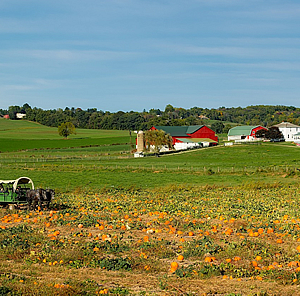 northeastern Ohio, the Amish Country invites visitors to experience a simpler way of life. Discover the Amish culture, explore charming towns like Berlin and Sugarcreek, and indulge in delicious homemade Amish cuisine. Visitors can also browse unique artisan shops, take scenic country drives, and witness the craftsmanship of Amish furniture and quilts.
 Toledo, Ohio: Situated along the western edge of Lake Erie, Toledo is a city with a rich industrial and maritime history. The Toledo Museum of Art houses an exceptional collection, including works by renowned artists such as Rembrandt and Monet. The city is also home to the Toledo Zoo, the Toledo Botanical Garden, and the Toledo Symphony Orchestra.


