Gold Souq

Gold Souq

Gold Souq

All that glitters is gold (and occasionally silver) along this covered arcade where dozens of shops overflow with every kind of jewelry imaginable, from delicate pearl earrings to lavish golden wedding necklaces. Simply watching the goings-on is a treat. Settle down on a bench and take in the lively street theater of hard-working Afghan men dragging heavy carts of goods, African women in colorful kaftans and local women out on a shopping spree. The best time to visit is in the bustling evenings. Mornings are busy with tour groups, and the afternoons are sleepy.

Gold has been big business in Dubai since the 1940s. Today, the emirate is one of the world’s largest gold markets, accounting for roughly 25% of the global trade.

Central Arcade
Dozens of jewelry shops spilling over with gold, diamonds, pearls, silver and platinum line the souq’s car-free, wooden-latticed central axis. From stud earrings to intricate wedding necklaces, it’s a dazzling display and a must-see, even if you’re not part of the bling brigade. Most shops are run by Indian merchants, while customers are mostly Indian or Arab, which helps explain the deep yellow tint of the gold and the often extremely elaborate designs, as is preferred in those parts of the world.

Record-breaking gold ring
Dubai being the capital of superlatives, the Gold Souq is naturally home to a record-breaking piece of jewelry. Stop at Kanz Jewellers just past the main souq entrance (off Old Baladiya St) to snap a selfie with the world’s largest and heaviest gold ring, as certified by Guinness World Records. Called the Najmat Taiba (Star of Taiba), the 21-karat beauty weighs in at nearly 140 pounds (64kg) and is studded with 11 pounds (5.1kg) of diamonds and precious stones. It is worth a hefty US$3 million.

What to look for when buying at Dubai’s Gold Souq
There’s no need to worry about fakes at the Gold Souq (unless you’re in the market for a knock-off Rolex watch or Prada bag from one of the touts trying to tempt you). The quality of gold is regulated by the Dubai government, so you can be fairly confident that the piece of jewelry you’ve got your eye on is genuine.

Price is determined by two factors: weight based on the official daily international rate and the artistry of the item. The latest gold rates are posted throughout the souq and online. Most pieces for sale here are 14 or 18 karat. If you don’t see anything you like, don’t panic. Most shops will make something to your own design.

Haggling is expected, and vendors build in price buffers accordingly. Since the price of gold itself is fixed, focus on the intricacy of the artisanship as a point of discussion. Buying more than one item should also net you a discount, as does paying in cash, though credit cards are almost always accepted. Sharp bargaining skills usually make merchants drop the initial asking price by 20% to 30%. Don’t rush! Remember, you don’t have to make a decision on the spot. Compare carefully before you buy and be prepared to haggle.

Where to stay near the Gold Souq
Dubai’s Gold Souq is in the Deira neighborhood, which is close to the airport and therefore popular with visitors on stopovers. There are plenty of older, smaller, budget places in and around the souqs, although some can be quite – how shall we say? – shady. Nicer properties can be found along the Creek as far south as Dubai Festival City.

Where to eat near the Gold Souq
A classic pit stop in this area is Ashwaq Cafeteria, whose shawarma rocks the palate. Wash it down with a freshly squeezed fruit juice.

How to get to the Gold Souq
Take the Dubai Metro to Al Ras, or ride an abra (a traditional boat) to Deira Old Souk abra station.

Article source

St Mary Lake

St Mary Lake

St Mary Lake

Located on the park’s dryer eastern side, where the mountains melt imperceptibly into the Great Plains, St Mary Lake lies in a deep, glacier-carved valley famous for its astounding views and ferocious winds. Overlooked by the tall, chiseled peaks of the Rockies and with the northern slopes dramatically thinned from the lake shore to Going-to-the-Sun Rd by the 2015 Reynolds Creek fire, the valley views are still spectacular and punctuated by numerous trailheads and viewpoints.

St Mary’s gorgeous turquoise sheen, easily the most striking color of any of Glacier’s major bodies of water, is due to the suspension of tiny particles of glacial rock in the lake’s water that absorbs and reflects light.

The landscape-altering effects of the 2006 Red Eagle Fire is still very much visible on the southern slopes of the lake.

Article source

Gamla Stan,Stockholm,Sweden,Europe

A massive structure with more than 600 rooms on 11 levels, Kungliga Slottet (the Royal Palace) dominates the north end of Gamla Stan.

Kungliga Slottet

The official residence of the Swedish monarch, the palace is both a working government building and an important historical site with fine baroque and rococo interiors and furnishings that reflect the shifting tastes of nearly 400 years of royal occupants.

History of Kungliga Slottet

Around the mid-1200s, Birger Jarl, the powerful earl credited with founding Stockholm, erected a stone fortress on the site of the present royal palace. Under the Vasa rulers of the 16th and 17th centuries it developed into a magnificent Renaissance palace that became known as Tre Kronor for the three gilded crowns placed atop the main tower in 1588.

Following the Thirty Years War, which ended in 1648, Sweden entered an era of great power. Extensive rebuilding of the palace began in 1692 under the royal architect Nicodemus Tessin the younger, who gave the northern wing its current baroque appearance.

On 7 May 1697, a devastating fire broke out, destroying everything except the newly renovated north wing. Six weeks later Tessin presented designs for a new palace that he estimated would take six years to build. In fact, it would take nearly six decades before the royal family was finally able to take up residence.

Museum Tre Kronor

Remnants of the original Tre Kronor palace can still be seen in the north wing, where Tessin simply covered over the medieval walls and towers as he erected his new baroque facade. Start your visit here to follow the palace’s history in chronological order.

Entering Museum Tre Kronor from Slottskajen, you pass through walls 5m (more than 16ft) thick that have stood since the 14th century. Inside, exhibits trace the development of Tre Kronor from defensive fortress to Renaissance palace, using models and objects rescued from the fire.

The Royal Apartments

The Royal Apartments consist of a series of grand rooms used for royal receptions, gala dinners, cabinet meetings and other official state business, as well as more intimate living chambers. Every royal resident has left a mark on the interior design, beginning with King Adolf Fredrik and Queen Lovisa Ulrika, who moved into the newly completed palace in December 1754. They resided in the 14 rooms now called the Bernadotte wing after the present dynasty, which has occupied the throne since 1818. The last to live in these apartments were King Oscar II and Queen Sofia, whose portraits hang in the main gallery along with those of other Bernadotte family members.|

The nine rooms comprising the State Apartments include the bedchamber where Gustav III died in 1792, two weeks after being shot at a masquerade ball; Karl XI’s Gallery, a gilded chamber modeled after the Hall of Mirrors at Versailles; and the Don Quixote Room, with walls covered in 18th-century tapestries depicting scenes from the classic novel by Miguel Cervantes. Another highlight is the Hall of State with Queen Kristina’s silver throne, a gift for her coronation in 1650.

Kungliga Slottet is open year round, except for major holidays. Parts of the palace may be closed at other times due to state functions; check the website for the latest details.

The Royal Treasury

Although there has been a church at the palace since the 13th century, the present chapel was designed by Nicodemus Tessin and completed by architect Carl Hårleman as part of the rebuilding of the palace. The previous chapel had been inaugurated just five months before being destroyed in the fire.

The chapel is open to visitors during the summer.

The Changing of the Guard

If you can time your visit accordingly, don’t miss the changing of the guard ceremony, which takes place in the outer palace courtyard daily at 12.15pm (1.15pm on Sundays and holidays) and lasts approximately 40 minutes.

Every day from late April through August, the royal guards march or ride in formal procession through the streets of central Stockholm to the palace, an impressive sight in their blue uniforms and glittering pointed helmets. In September and October the parade takes place on Wednesdays, Saturdays and Sundays. Details of the route and timing are listed on the Swedish Armed Forces website.

Tickets and other practicalities

A single ticket costs 140 SEK ($16) for adults and 70 SEK ($8) for children ages 7-17. and includes access to all the attractions in the Royal Palace complex, including Museum Tre Kronor, the Royal Apartments, the Royal Treasury, the Royal Chapel and Gustav III’s Museum of Antiquities. Tickets are available at the entrance and online in advance. Combination tickets are available for the palace and nearby Riddarholmskyrkan, the medieval church where almost all Swedish royals until 1950 are buried.

Guided tours of the Royal Apartments cost 30 SEK ($3.50) plus regular admission and are available in English at 10.30am and 1.30pm, with an additional English-language tour at 3.30pm from June through August. There’s no extra charge for the tour for children under 18 (regular admission tickets are required). Tours of the Royal Treasury in English take place at 2.30pm daily. Free audio guides to the Bernadotte Apartments and Gustav III’s Museum of Antiquities can be downloaded onto a smartphone or borrowed on site.

During the COVID-19 pandemic only the Royal Apartments are open to visitors, and tickets are timed. There are no guided tours, and only the download option is available for audio guides. The changing of the guard ceremony and parade are also not taking place during the pandemic.

The Royal Palace also houses Livrustkammaren (the Royal Armoury), a free museum that traces the history of the Swedish monarchy since 1523 through armor, clothing and other items that once belonged to various royals. It’s accessible through a separate entrance off Slottsbacken.

Article Source

Burj Al Arab

Burj Al Arab

The Burj Al Arab’s graceful silhouette – meant to evoke the sail of a dhow (a traditional wooden cargo vessel) – is to Dubai what the Eiffel Tower is to Paris.

Burj Al Arab

Completed in 1999, this iconic landmark hotel sits on an artificial island and comes with its own helipad and a fleet of chauffeur-driven Rolls Royce limousines. Beyond the striking lobby, with its gold-leaf opulence and attention-grabbing fountain, lie 202 suites with more trimmings than a Christmas turkey.

The Burj Al Arab is worth visiting if only to gawk at an interior that’s every bit as garish as the exterior is gorgeous. The mood is set in the 590ft-high lobby, which is decorated in a red, blue and green color scheme and accented with pillars draped in gold leaf. The lobby atrium is tall enough to fit the Statue of Liberty within it.

If you’re not checking into the Burj Al Arab, you need to make a reservation for cocktails, afternoon tea or a meal to get past lobby security. A minimum spend applies; check the Burj’s website for details.

Architecture of the Burj Al Arab

The Burj Al Arab has 60 floors spread over 1053ft (321m) and was the world’s tallest hotel at the time of its opening. British architect Tom Wright came up with the iconic design and signature translucent fiberglass facade that serves as a shield from the desert sun during the day and as a screen for the impressive illumination at night.

The Burj Al Arab’s interior by British-Chinese designer Khuan Chew is every bit as over-the-top as the exterior is simple and elegant. The moment you step into the lofty lobby, a crescendo of gold-leaf, crystal chandeliers, hand-knotted carpets, water elements, pillars and other design elements put you into sensory overload. Some of the 258,333 sq feet (24,000 sq meters) of marble hail from the same quarry where Michelangelo got his material.

The white metal crosspieces at the top of the Burj Al Arab form what is said to be the largest cross in the Middle East – but it’s only visible from the sea. By the time this unexpected feature was discovered, it was too late to redesign the tower – the hotel had already put Dubai on the map and become the icon for the city. See the cross on a boat charter and decide for yourself. The scale is amazing.

Bars and restaurants in Burj Al Arab

After his death in 1890, Vincent left his complete collection of works to his brother, Theo. When Theo died shortly after in 1891, the collection was handed over to Theo’s widow, Jo van Gogh-Bonger, and after her death in 1925, it was then passed on to her son Vincent Willem van Gogh. He loaned the collection of artworks to Amsterdam’s Stedelijk Museum, before a dedicated museum was called for to house the late artist’s impressive oeuvre.

Opened in 1973, the Van Gogh Museum’s main building was designed by the influential Dutch architect Gerrit Rietveld, who was an important member of De Stijl ­– a group of progressive artists and architects active in the 1920s. Behind the main building, reaching towards Museumplein, is a separate wing, which was opened in 1999 and designed by Kisho Kurokawa. The transparent building with its state-of-the-art glass structure hosts temporary exhibitions by big-name artists.

In 2015, a swish new extension and entrance hall added 800 sq meters (8600 sq ft) of space to the museum.

Beaches near the Burj Al Arab

For the quintessential Instagrammable photo of you and the Burj Al Arab, take a stroll on nearby Jumeirah Public Beach as the sun dips into the Gulf and then upload the picture via one of the Smart Palms that provide free waterfront wi-fi. This wide, clean band of sand is actually an attractive place to spread your towel any time of day. In fact, now there’s even a floodlit section for nighttime swimming. When the surf’s up, it’s fun to watch the boarders, although waves are only small to medium.

Where to stay near the Burj Al Arab

The Burj Al Arab regularly hosts pop stars, royalty, billionaires and the merely moneyed. The lobby with its eye-catching waterfall and opulent decor is the overture to the 202 richly decorated suites. The North Deck adds two huge pools and 400 sunloungers. Suites are bi-level, and even the smallest measure 1829 sq ft (170 sq meters) and come with a personal butler. The decor is lush, with moiré silk walls, mirrored ceilings over the beds, curlicue high-backed velvet chairs and inlaid bathroom tiles displaying scenes of Venice. And all that gold? Yes, it’s the real 24-karat thing.

For less luxurious options, the cluster of midrange hotels and hotel-apartments next to the Mall of Emirates offer great value for money.

How to get to the Burj Al Arab

The nearest Dubai Metro station is Mall of the Emirates, but a taxi or bus ride is required from there. Buses 8, 81 and 88 pass by the Burj Al Arab.

The Rijksmuseum is a magnificent art gallery located in Museumplein close to the Van Gogh Museum. If you start early and have plenty of energy you could tackle both in one day, but it’s probably  too much – considering The Rijksmuseum itself is over half a mile (1.5km) of gallery space! Spread the visits over a couple of days for a more enjoyable experience. 

If you must choose only one and you are a Van Gogh fan, the Van Gogh Museum will be more to your liking as the Rijksmuseum has only a few Van Gogh works on display. But if you want to get an overview of Dutch art and see more of the Dutch masters (Rembrandt, Vermeer, Steen), then spend the day at the Rijksmuseum.


Article source 

Van Gogh Museum

This wonderful museum traces Van Gogh’s life and artistic development via the world’s largest collection of his work.

Van Gogh Museum

More than 200 canvases are on display, stretching from his early, bleak portraits of peasants in the Netherlands through to his later years in sunny France, where he produced his best-known work with its characteristic giddy colour. Also on show here are 500 of his drawings and 700 hand-written letters.

The museum is spread over four levels, moving chronologically from Floor 0 (ground floor) to Floor 3. Allow at least a couple of hours to browse all of the galleries.


Paintings and artworks

Van Gogh’s works are scattered in museums around the world, but the Van Gogh Museum holds the largest collection, comprising a staggering 200 paintings and 500 drawings by Vincent and his contemporaries, including Gauguin, Toulouse-Lautrec and Monet. Van Gogh’s earliest works ­­– showing raw, if unrefined, talent – are from his time in the Dutch countryside and Antwerp between 1883 and 1885. 

He painted peasant life, exalting their existence in works such as the masterpiece, The Potato Eaters (1885). Skull of a Skeleton with Burning Cigarette (1886) is another highlight, painted when Van Gogh was a student at Antwerp’s Royal Academy of Fine Arts. 

He then moved to Paris in 1886 and began to paint self-portraits as a way of improving his portraiture without paying for models, which he couldn’t afford. Self-Portrait with Grey Felt Hat was painted in the winter of 1887–1888 and is one of his boldest color experiments.

One of his most beloved works, Sunflowers (1889), is a result of him leaving Provence for Arles, intent on painting the vibrant landscapes and achieving his dream of creating an artist’s colony. 

Another of his iconic paintings, The Yellow House – a rendering of the abode he rented in Arles – is also from this period. In 1890, Van Gogh painted one of his last paintings Wheatfield with Crows – a particularly menacing and ominous piece finished shortly before his suicide.

Aside from admiring the massive collection of masterpiece paintings, don’t pass up the opportunity to hear recordings of Van Gogh’s letters at the multiple listening stations in the museum. The letters are mainly to and from his younger brother, Theo, who championed his work, and offer a poignant insight into their relationship.

History of the Van Gogh Museum

After his death in 1890, Vincent left his complete collection of works to his brother, Theo. When Theo died shortly after in 1891, the collection was handed over to Theo’s widow, Jo van Gogh-Bonger, and after her death in 1925, it was then passed on to her son Vincent Willem van Gogh. He loaned the collection of artworks to Amsterdam’s Stedelijk Museum, before a dedicated museum was called for to house the late artist’s impressive oeuvre.

Opened in 1973, the Van Gogh Museum’s main building was designed by the influential Dutch architect Gerrit Rietveld, who was an important member of De Stijl ­– a group of progressive artists and architects active in the 1920s. Behind the main building, reaching towards Museumplein, is a separate wing, which was opened in 1999 and designed by Kisho Kurokawa. The transparent building with its state-of-the-art glass structure hosts temporary exhibitions by big-name artists.

In 2015, a swish new extension and entrance hall added 800 sq meters (8600 sq ft) of space to the museum.

Tours

The museum usually offers 50-minute guided tours (in Dutch) which take groups of four around Vincent van Gogh’s masterpieces. However, due to Covid-19 these are currently unavailable. 


Opening hours and best time to visit

Opening hours for the museum vary throughout the year. During the peak summer months (July-September), the museum tends to open daily from 9am-6pm, while at other times of year the hours are 10am-5pm (until 6pm on weekends). Winter opening hours are even more limited, with the museum sometimes closing completely on Mondays. Check the official website for up-to-date opening hours.

As you’d expect to be the case for the world’s largest collection of works from one of the world’s most famous artists of all time, the museum gets packed. The best times to visit to try to avoid the crowds are before 11am and after 3pm.


Tickets and location

The museum is located at Museumplein. Tickets must be purchased online where you choose a starting time slot. It allows you entry to the permanent exhibition, as well any temporary exhibitions showing at the time.

Prices

Adult: €19 ($22). Admission is free for those under 18.

Discount cards

There is free admission for Museumkaart and I Amsterdam cardholders, but you still need to book a timeslot on the museum’s website. I Amsterdam cardholders must reserve online at the I Amsterdam website.

Nearby restaurants

Set in a beautiful space with huge windows and high ceilings, Rijks was awarded a Michelin star in 2016. Chef Joris Bijdendijk uses locally sourced produce, adheres to slow-food philosophy and draws on historic Dutch influences in his creative, highly imaginative cuisine. The restaurant is part of the Rijksmuseum.

With old family photos adorning the walls, cozy Hap Hmm almost feels like dining in a relative’s home. The menu offers an array of classic Dutch comfort foods, from rich beef stews to chicken casseroles, and a good selection of vegetarian options. Just like any home-cooked meal, dishes are served with a selection of boiled vegetables. Note: credit cards are not accepted.

Renzo’s deli resembles an Italian tavola calda (hot table), where you can select hot and cold ready-made dishes, such as meatballs, pasta and salads, plus stuffed sandwiches and delicious cannoli (Sicilian ‘little tubes’, filled with ricotta cream). There are a few tables crammed into the space, or it’s perfect to take away to nearby Museumplein.

Hotels near the Van Gogh Museum

There are a number of excellent accommodation options within walking distance of the Van Gogh Museum, including the Hilton Amsterdam, famous as the place that John and Yoko staged their “bed-in for peace” in 1969, and the Conscious Hotel Museum Square, which boasts a lush garden terrace and furniture made from recycled materials.

However, for proximity to the museum, it’s hard to beat the palatial, Conservatorium Hotel, an eight-story, five-star hotel with a huge covered courtyard and contemporary rooms with designer furnishings. The hotel is a one-minute walk from the Van Gogh Museum.

Should I visit the Rijksmuseum or the Van Gogh Museum?

The Rijksmuseum is a magnificent art gallery located in Museumplein close to the Van Gogh Museum. If you start early and have plenty of energy you could tackle both in one day, but it’s probably  too much – considering The Rijksmuseum itself is over half a mile (1.5km) of gallery space! Spread the visits over a couple of days for a more enjoyable experience. 

If you must choose only one and you are a Van Gogh fan, the Van Gogh Museum will be more to your liking as the Rijksmuseum has only a few Van Gogh works on display. But if you want to get an overview of Dutch art and see more of the Dutch masters (Rembrandt, Vermeer, Steen), then spend the day at the Rijksmuseum.


Article source 

Mt.Fuji

Mt Fuji
Fuji-san is among Japan’s most revered and timeless attractions, the inspiration for generations of poets and the focus of countless artworks.

Mt Fuji

Why you should go
Hundreds of thousands of people climb it every year, continuing a centuries-old tradition of pilgrimages up the sacred volcano (which, despite its last eruption occurring in 1707, is still considered active). Whether or not you don the hiking boots to climb its busy slopes, taking some time to gaze upon the perfectly symmetrical cone of the country’s highest peak is an essential Japan experience.

MUST EXPLORE

The old adage about those who climb Fuji once being wise and a second time a fool remains as valid as ever. The hike is not the most scenic in the world, with barren landscapes and a summit that is often shrouded in cloud (obscuring views). Still, the sense of achievement and significance that comes with reaching the top of this sacred peak draws around 300,000 people during the annual climbing season, which runs from 1 July to 31 August – though in recent years this has often been extended to 10 September.

Fuji is divided into 10 concentric ‘stations’ from base (first station) to summit (10th), but most climbers start halfway up at various fifth station points, reachable by road. The most popular climbing route is the Yoshida Trail, because buses run directly from Shinjuku Station to the trailhead at the Fuji Subaru Line Fifth Station (sometimes called the Kawaguchi-ko Fifth Station or just Mt Fuji Fifth Station) and because it has the most huts (with food, water and toilets).

For the Yoshida Trail, allow five to six hours to reach the top and about three hours to descend, plus 1½ hours for circling the crater at the top. The other three routes up the mountain are the Subashiri, Gotemba and Fujinomiya trails; the steepest, Gotemba, is the most convenient to reach for travellers coming from Kansai-area destinations such as Kyoto and Osaka.

Trails below the fifth stations are now used mainly as short hiking routes, but you might consider the challenging but rewarding 19km hike from base to summit on the historic Old Yoshidaguchi Trail, which starts at Fuji Sengen-jinja in the town of Fuji-Yoshida and joins up with the Yoshida Trail.

Trails to the summit are busy throughout the official trekking season. To avoid the worst of the crush head up on a weekday, or start earlier during the day to avoid the afternoon rush and spend a night in a mountain hut (arriving at the summit for dawn, which can offer great views if there’s no cloud!).

Authorities strongly caution against climbing outside the regular season, when the weather is highly unpredictable and first-aid stations on the mountain are closed. Despite this, many people do climb out of season, as it’s the best time to avoid the crowds. During this time, climbers generally head off at dawn, and return early afternoon – however, mountain huts on the Yoshida Trail stay open later into September when weather conditions may still be good; a few open the last week of June, when snow still blankets the upper stations. It’s highly advised that off-season climbers register with the local police department for safety reasons; fill out the form at the Kawaguchi-ko or Fuji-Yoshida Tourist Information Centers. 

If you plan to hike, go slowly and take regular breaks to avoid altitude sickness. Hiking poles are a good idea to help avoid knee pain (especially during the descent).

Hotels and restaurants

From the Fifth Stations up, dozens of mountain huts offer hikers simple hot meals in addition to a place to sleep. Most huts allow you to rest inside as long as you order something.

Conditions in mountain huts are spartan (a blanket on the floor sandwiched between other climbers), but reservations are recommended and are essential on weekends. It’s also important to let huts know if you decide to cancel at the last minute; be prepared to pay to cover the cost of your no-show. Good choice mountain huts include Fujisan HotelHigashi Fuji Lodge and Taishikan

Camping on the mountain is not permitted, other than at the designated campsite near the Fuji Subaru Line Fifth Station (aka Kawaguchi-ko Fifth Station).

Permits

Permits are not required to climb Mt Fuji.


Article source

Prambanan Temple

Prambanan Temple

Top choice in Central Java

Prambanan Temple

Comprising the remains of some 244 temples, World Heritage–listed Prambanan is Indonesia’s largest Hindu site and one of Southeast Asia’s major attractions. The highlight is the central compound, where eight main and eight minor temples are assembled on a raised platform – an architectural crescendo of carved masonry and staircases, the high note of which is Candi Shiva Mahadeva. Prambanan sits within a large park dotted with lesser temples – a day is needed to do the site justice.

Extended over two centuries, building at Prambanan commenced in the middle of the 9th century – around 50 years after Borobudur. Little else is known about the early history of this temple complex, although it’s thought that it may have been built by Rakai Pikatan to commemorate the return of a Hindu dynasty to sole power in Java. The whole Prambanan Plain was abandoned when the Hindu-Javanese kings moved to East Java and, in the middle of the 16th century, a great earthquake toppled many of the temples. Prambanan remained in ruins for years, its demise accelerated by treasure hunters and locals searching for building materials. While efforts were made in 1885 to clear the site, it was not until 1937 that reconstruction was first attempted. Most temples have now been restored to some extent, and, like Borobudur, Prambanan was listed as a Unesco World Heritage Site in 1991.
Prambanan suffered extensive damage in the 2006 earthquake. Although the main temples survived, hundreds of stone blocks collapsed or were cracked (479 blocks in the Shiva temple alone). Today the main structures have been restored, but a lot of work remains to be done and parts of the complex are still off limits.

In the main courtyard, Candi Shiva Mahadeva, dedicated to Shiva, is not only the largest of the temples but also the finest. The main spire soars 47m high and the temple is lavishly carved. The ‘medallions’ that decorate its base have a characteristic Prambanan motif – small lions in niches flanked by kalpatura (trees of heaven) and a menagerie of stylised half-human, half-bird kinnara (heavenly beings). The vibrant scenes carved onto the inner wall of the gallery encircling the temple are from the Ramayana – they tell how Lord Rama’s wife, Sita, is abducted and how Hanuman, the monkey god, and Sugriwa, the white-monkey general, eventually find and release her.

The temple’s interior comprises a main chamber at the top of the eastern stairway with a four-armed statue of Shiva the Destroyer. The statue is notable for the fact that this mightiest of Hindu gods stands on a huge lotus pedestal, a symbol of Buddhism. In the southern cell is the potbellied and bearded Agastya, an incarnation of Shiva as divine teacher; in the western cell is a superb image of the elephant-headed Ganesha, Shiva’s son and the god of knowledge. Ganesha’s right hand, usually holding his ivory tusk, was broken off in the earthquake. In the northern cell, Durga, Shiva’s consort, can be seen killing the demon buffalo. Some people believe that the Durga image is actually an image of the Slender Virgin, who, legend has it, was turned to stone by a man she refused to marry. She is still an object of pilgrimage and her name is often used for the temple group.

Candi Vishnu touches 33m and sits just north of Candi Shiva Mahadeva. The temple’s impressive reliefs tell the story of Lord Krishna, a hero of the Mahabharata epic, while a four-armed image of Vishnu the Preserver crowns the inner sanctum.

Candi Brahma is Candi Vishnu’s twin temple. South of Candi Shiva Mahadeva, it is carved with the final scenes of the Ramayana. The spectacular mouth doorway is noteworthy and the inner chamber contains a four-headed statue of Brahma, the god of creation.

The park surrounding Prambanan contains a number of lesser-known temples, including the Buddhist temple Candi Sewu. Dating from around AD 850, it comprises dozens of outer shrines, decorated with stupas. Originally it was surrounded by four rings of 240 smaller ‘guard’ temples, leading to its name ‘Thousand Temples’. Outside the compound stood four sanctuaries at the points of the compass, of which Candi Bubrah, now reduced to its stone foundation, is the most southern. The renovated main temple has finely carved niches around the inner gallery, which would once have held bronze statues. To reach Candi Sewu, hire a bike (20,000Rp) or take the toy train or golf cart (20,000Rp) that shuttle visitors back and forth from the exit of Prambanan’s main temple site; failing that, it’s a pleasant 20-minute walk from the main complex through semi-shaded parkland.

Tickets for Prambanan can be purchased online. Options include a combined Prambanan–Kraton Ratu Boko package and a Prambanan–Borobudur discount ticket. Note that the latter is only valid for two days and doesn’t cover the extra surcharge to visit at sunrise or sunset.


Article source

How to Reach Newark

This travel guide to Newark might help you if you are visiting the town for the first time. The city is well-connected through land, air, and even water. You can take a flight to the Newark Liberty International Airport from anywhere in USA or the world to reach this dynamic city. Multiple trains from major towns of America are also available in case you want to reach Newark. You can also opt for a ferry or boat to reach Port Liberty Cruise Terminal via water. A road trip in a car or a bus is also an amazing experience that you can try based on your preferences. 

Places to Visit in Newark

There are countless tourist attractions in Newark that will make your trip to this beautiful city memorable. Symphony Hall showcases the cultural diversity of the town perfectly. From architectural wonders such as Basilica Cathedral of Sacred Heart to the natural ones like the Branch Brook Park, you will love exploring these spots. Although some places like South Mountain Reservation or Turtleback Zoo are located a few miles drive away, these are definitely worth your visit. Some of the best places to visit in Newark are mentioned below: 

  1. New Jersey Performing Arts Center
  2. The Newark Museum of Art
  3. Prudential Center
  4. Branch Brook Park
  5. St. Lucy’s Church
  6. Newark Public Library
  7. Military Park
  8. Museum of the Old First Ward
  9. Grammy Museum Experience Prudential Center
  10. Greater Newark Conservancy

Hotels in Newark

Wondering where to stay in Newark? The dynamic city attracts millions of visitors annually and hence is home to countless world-class hotels and other accommodation options. If you are planning a longer stay or are concerned about your privacy, you can also opt to stay at various Airbnbs in Newark. The city boasts of excellent hospitality and the management and staff at these hotels offer great services to the guests as well. From complimentary breakfast, Wi-Fi, meeting rooms to spa, you can utilize these facilities at most of the hotels. Some of the top places to stay in Newark include:

  1. Ramada by Wyndham East Orange
  2. Hudson Plaza Motel
  3. Rodeway Inn
  4. Hampton Inn & Suites Newark-Harrison-Riverwalk
  5. Courtyard by Marriott Newark Elizabeth
  6. Robert Treat Hotel
  7. Haiban Inn
  8. Peachtree Suites
  9. Courtyard Lyndhurst Meadowlands
  10. TRYP by Wyndham Newark Downtown

Restaurants in Newark

People from different parts of the world live in this dynamic city. Also, Newark attracts millions of business travelers, students, and tourists from all over the globe. Hence, you can find countless restaurants in Newark serving delicacies from an array of cuisines; apart from the local dishes. If you want to try food in Newark be it local or international, you can check out the following places:

  1. Portucale Restaurant
  2. Luigi’s Italian Tradition
  3. Sabor Unido
  4. Adega Grill
  5. Allegro Seafood Grill
  6. Casa d’ Paco
  7. Casa Vasca
  8. Spanish Tavern
  9. McWhorter Barbecue
  10. Krug’s Tavern

Best Time to Visit Newark

Winters can be very severe in Newark and summer might be extreme for a few tourists. The best time to visit Newark can be between March and July or the months of spring and fall. If you are a nature enthusiast, you must consider visiting Newark in the month of April. This is when the gorgeous Cherry Blossoms are in their full bloom and offer a mesmerizing sight to all the guests touring the city. 

There are numerous tourist attractions in Newark that you can discover to make your trip to this city fun-filled. Are you planning a trip to this town soon? If yes, comment below and let us know if you found this travel guide to Newark helpful. 

Book cheap flights via Indian Eagle and travel from USA to India at an affordable price. So, why wait? Once you are done with your Newark adventure, fly to any major city in India and get the best deals only with Indian Eagle.

Articles source 

Top Ohio Destinations

Top Ohio Destinations

Top Ohio Destinations

10 Most Popular Destinations in Ohio

Ohio, located in the heart of the Midwest region of the United States, is a state with diverse landscapes, vibrant cities, and a rich cultural heritage. From bustling urban areas to serene natural beauty, Ohio offers a plethora of attractions and activities for visitors. In this article, we will explore the 10 most popular destinations in Ohio, showcasing the state’s unique blend of history, natural wonders, and modern attractions.

  1. Cleveland, Ohio: Cleveland, known as “The Rock and Roll Capital of the World,” is a vibrant city situated on the shores of Lake Erie. Visitors can explore the Rock and Roll Hall of Fame, the Cleveland Museum of Art, and enjoy a variety of entertainment options in the lively downtown area. The city is also home to professional sports teams and boasts a thriving culinary scene.

  2. Cincinnati, Ohio: Nestled along the banks of the Ohio River, Cincinnati is a city renowned for its architectural beauty, historic neighborhoods, and cultural attractions. Visitors can experience the Cincinnati Zoo and Botanical Garden, stroll along the picturesque riverfront, explore the Cincinnati Art Museum, and enjoy the thrilling rides at Kings Island amusement park.

  3. Columbus, Ohio: As Ohio’s capital and largest city, Columbus offers a vibrant mix of art, culture, and outdoor adventures. The city is home to the highly acclaimed Columbus Museum of Art, the innovative Center of Science and Industry (COSI), and the expansive Franklin Park Conservatory. Visitors can also explore the trendy Short North Arts District or catch a game at Ohio Stadium, home of the Ohio State Buckeyes.

  4. Hocking Hills State Park: Nature enthusiasts flock to Hocking Hills State Park, located in southeastern Ohio, for its breathtaking natural beauty. The park features towering cliffs, cascading waterfalls, and enchanting hiking trails. Highlights include Old Man’s Cave, Ash Cave, and Cedar Falls, offering stunning vistas and opportunities for outdoor activities such as hiking, camping, and rock climbing.

  5. Amish Country: InAmish Country northeastern Ohio, the Amish Country invites visitors to experience a simpler way of life. Discover the Amish culture, explore charming towns like Berlin and Sugarcreek, and indulge in delicious homemade Amish cuisine. Visitors can also browse unique artisan shops, take scenic country drives, and witness the craftsmanship of Amish furniture and quilts.
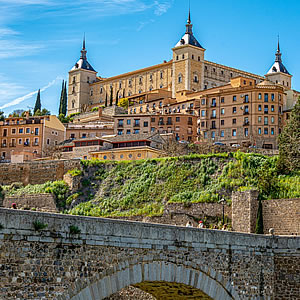
  6. Lake Erie Islands: Lake Erie, one of the Great Lakes, offers a delightful escape with its collection of picturesque islands. Put-in-Bay on South Bass Island is a popular destination known for its lively atmosphere, historical sites, and water activities such as boating and fishing. Kelley’s Island, the largest American island in Lake Erie, is a serene retreat with beautiful beaches and nature preserves.

  7. Dayton, Ohio: Dayton, famous for its aviation heritage, is home to the National Museum of the United States Air Force, showcasing a vast collection of aircraft and artifacts. The city also offers the Dayton Art Institute, the Carillon Historical Park, and the vibrant Oregon District, known for its dining and nightlife.

  8. Cuyahoga Valley National Park: Located between Cleveland and Akron, Cuyahoga Valley National Park is a stunning oasis offering a mix of natural wonders and cultural attractions. Visitors can hike or bike along scenic trails, ride the historic Cuyahoga Valley Scenic Railroad, and explore the picturesque Brandywine Falls. The park also hosts concerts, art exhibits, and educational programs throughout the year.

  9. ToledoToledo, Ohio: Situated along the western edge of Lake Erie, Toledo is a city with a rich industrial and maritime history. The Toledo Museum of Art houses an exceptional collection, including works by renowned artists such as Rembrandt and Monet. The city is also home to the Toledo Zoo, the Toledo Botanical Garden, and the Toledo Symphony Orchestra.

  10. Marietta, Ohio: Marietta, Ohio’s oldest city, is a charming river town nestled on the banks of the Ohio River. History enthusiasts will appreciate the city’s well-preserved architecture, including the Historic Harmar Village and the Campus Martius Museum. Visitors can enjoy riverboat cruises, explore the charming downtown area, and learn about Marietta’s significant role in American history.

Travel Ohio: From the bustling cities of Cleveland, Cincinnati, and Columbus to the serene natural beauty of Hocking Hills and the Lake Erie Islands, Ohio offers a diverse range of popular destinations. Whether you’re seeking vibrant urban experiences, outdoor adventures, or a glimpse into history and culture, Ohio has something to offer every visitor. Embark on a journey to the Buckeye State and discover the unique charm and attractions of these top 10 destinations.

Things to do in Dallas this Summer

Things to do in Dallas this Summer
Best Things to do in Dallas in the Summer

Things to do in Dallas this Summer

Long & warm days, vacations, and the chance to spend quality time with family – summer is coming. Summer is the best season to explore the world as you are filled with time. From parks and gardens to art museums and historic attractions, you are free to visit any place you want. Dallas feels different when it comes to Summer.
While it’s impossible to manage its temperature, the best way to enjoy this time is by planning long trips. You can indulge yourself in various summer activities in Dallas and visit multiple places. Here are a few things to do in Dallas this summer that you should not miss out on.

Hit a Beautiful Beach

Coastline in Dallas? Seems impossible. Right? Though Dallas is far from the coast, it is home to many lake beach options. The two popular water slides for a perfect summer outing are Eisenhower State Park’s beach and Burger’s Lake. 

Burger’s Lake is 45 minutes from Downtown Dallas. The lake is made of filtered water and offers two sandy beaches and slides. You can play around, swim, and sunbathe. If you are looking for a safe environment, this place is the best.

When it comes to Eisenhower Beach, it is 1 hour and 20 minutes from downtown Dallas. With crystal clear water, this lake beach is considered to be one of the best beaches in the state.

Go Scuba-Diving

What is better than indulging in a water sport in Summer? Dallas offers a golden chance to explore the magical world underwater in the soaking Sun. The magnificent treasure-like atmosphere, turquoise water, and rare water animals can keep you one step closer to nature. You can dive and snorkel through marine life, encounter multi-colored fishes, and stunning plants, and make this time worth remembering. And you don’t need to go far to get this experience. Thus, visit the diving locations near Dallas like  Athens Scuba Park, and get a thrilling experience of the marine world.

Watch Movies Under an Open Sky

Visiting public gardens and parks is one of the best ways to entertain yourself and learn about nature. It is one of the free summer activities in Dallas to do. The beautiful flora and fauna, butterflies, plants, and a peaceful time with family make the summertime even more enjoyable. The lush green parks and gardens and soothing ambiance will make you escape from the busy city life and get you close to yourself. You can even pack some snacks and enjoy a picnic with your friends and family in these parks. One of the best parks in Dallas are Belo Garden, Wagging Tail Dog Park, and Peter Pan Park. So, recharge yourself in the lap of Mother Nature and enjoy one of the soothing summer activities in Dallas Texas

Escape to a Crystal Clear Lake

It’s no secret that Dallas’ summer is hot and boiling sometimes. One of the best ways of getting rid of the temperature is spending time near water. You can slide down in water rides, float in lazy rivers or hit the pool at a water park. You can even get a traditional lake experience by fishing, camping, and laying out. If you are a fan of adventure activities, hit White Rock Lake or Paddle Point Park, rent a tube and go water skiing.

Dallas is known for its rich culture, incredible charm, and natural significance that make it one of the best cities to visit in Summer. There are plenty of places to visit and fun things to do in Dallas in the Summer. From its diverse culinary scenes to artificial lakes & waterfalls, you can pick any place and plan a memorable trip.

Get going with planning your summer vacation. Book flights to USA via Indian Eagle and get the cheapest airfare. Indian Eagle flights are pocket-friendly and don’t affect your budget much. You can even avail Indian Eagle deals and save more on your itinerary to the USA.

Source 

How to Travel for Free in the US: Unveiling the Best Ways

How to Travel for Free in the US: Unveiling the Best Ways
Are you passionate about exploring the United States and looking at how to travel for free in the US?

How to Travel for Free in the US: Unveiling the Best Ways

How to Travel for Free in the US: Unveiling the Best Ways

Look no further! In this comprehensive guide, we will reveal ingenious strategies about how to travel for free and little-known secrets to help you embark on incredible journeys without spending a dime. Discover the art of free travel and unlock the door to unforgettable adventures across the breathtaking landscapes of the United States.

Free Travel: The Ultimate Dream

Many people dream of traveling the world, but the idea of traveling for free seems like an unattainable fantasy. However, with the right knowledge and resourcefulness, you can turn this dream into a reality. Let’s delve into the best ways to travel for free, from securing complimentary flights to finding cost-free accommodations.

Ways to Travel for Free

  1. Volunteer Exchanges

Engaging in volunteer work opens up remarkable opportunities to travel without emptying your pockets. Numerous organizations offer volunteer exchange programs, where you can contribute your skills and time in exchange for free accommodation and meals. From organic farms to eco-villages and humanitarian projects, there are countless options to choose from. Immerse yourself in meaningful experiences while exploring new destinations.

  1. House-Sitting

Imagine staying in luxurious homes across the United States without paying a single penny. House-sitting allows you to do just that. Platforms like TrustedHousesitters and HouseCarers connect homeowners who are seeking reliable individuals to care for their houses while they are away. In return, you gain free accommodation and often the company of adorable pets. It’s a win-win situation that provides an authentic home-away-from-home experience.

  1. Couchsurfing

If you seek to connect with locals and embrace the true essence of a place, Couchsurfing is the way to go. This unique concept of free trip enables travelers to stay with generous hosts who offer their couches or spare rooms for free. Beyond the cost savings, Couchsurfing opens doors to cultural exchange and authentic experiences. Create lifelong connections while immersing yourself in the local way of life.

Best Places to Travel in the US

The United States boasts a diverse range of destinations that cater to every traveler’s taste. Here are some of the best places to travel in US to explore while indulging in the joy of free travel:

  1. New York City, New York

Known as the city that never sleeps, New York City offers an array of free attractions and experiences making it one of the best places to travel in the US. From strolling through Central Park to admiring world-class artwork at the Metropolitan Museum of Art, the Big Apple promises an unforgettable adventure.

  1. San Francisco, California

San Francisco captivates visitors with its iconic landmarks such as the Golden Gate Bridge and Alcatraz Island. Explore the vibrant neighborhoods, immerse yourself in the city’s rich history, and witness stunning sunsets over the Pacific Ocean—all without spending a dime.

  1. New Orleans, Louisiana

The vibrant city of New Orleans entices with its lively music scene, delectable cuisine, and colorful festivals. Indulge in the rhythm of jazz, savor mouthwatering Creole dishes, and immerse yourself in the vibrant atmosphere of the French Quarter.

What are the prices of flights from India to USA?

What are the prices of flights from India to USA? Planning an international trip can be daunting, but we have you covered! When searching for flights from India to USA, it’s essential to find the best deals on flights and secure affordable fares. With the travel booking platforms available, you can compare prices and select the most cost-effective option that suits your needs.

One such platform that consistently offers competitive rates is Indian Eagle. Known for its extensive network and excellent customer service, Indian Eagle, the best travel bookings website is a leading provider of international flight tickets. With their user-friendly interface and advanced search capabilities, finding the best travel deals becomes a seamless experience.

If you’re seeking unbeatable Indian Eagle flight deals from India to US, look no further than Indian Eagle. Their commitment to customer satisfaction make them the ideal choice for your international travel needs.

In conclusion, embarking on a journey across the United States doesn’t have to break the bank. By utilizing various strategies about how to travel for free in the US such as volunteer exchanges, house-sitting, and Couchsurfing, you can experience free travel and create memories that will last a lifetime.